Reliability and Lubrication Training: A Complete Guide to Standardizing Skills and Improving Uptime
Redlist Learning embeds ICML-aligned courses directly into maintenance workflows so training translates into consistent execution.
What Is Reliability and Lubrication Training?
Reliability and lubrication training is the structured education of maintenance and reliability teams on how to properly select, apply, monitor, and manage lubrication and asset care practices to improve equipment uptime. At its core, this training focuses on lubrication fundamentals, condition monitoring, asset reliability principles, and standardized work execution aligned with industry best practices such as ICML certifications (MLT, MLA, MLE).
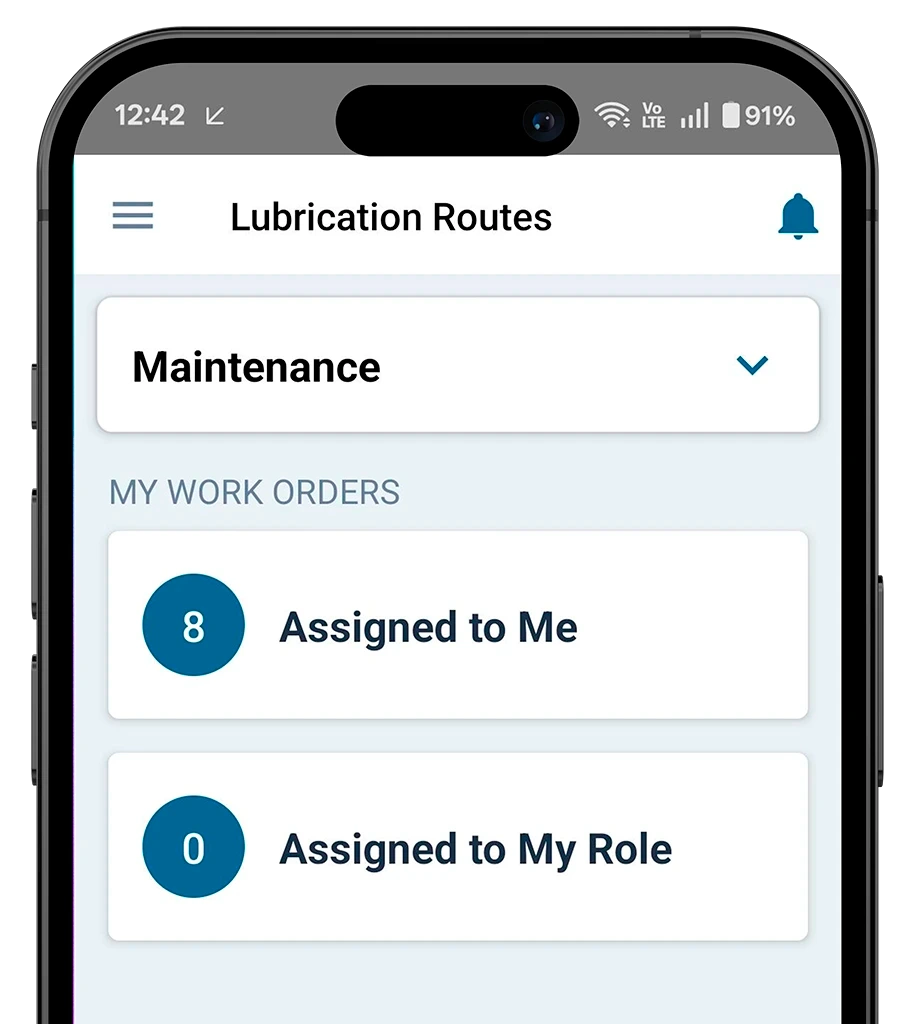
Modern reliability training goes beyond classroom learning. Leading programs integrate training directly into daily maintenance workflows allowing technicians to access role-based instruction, micro-lessons, and proof-of-competency while executing work. Redlist Learning, powered by Uptime101, embeds ICML-aligned lubrication and reliability courses directly into Redlist’s routes, tasks, and certification tracking to ensure training translates into consistent execution.

Featured Courses
Introduction to Lubrication Technology
An important course for any technician or machine operator. Covers the role of every department in ensuring machinery reliability and its impact on business profitability. Filled with practical advice on lubricant use, tool care, and proper storage and handling. Instructors draw from decades of experience across a wide range of production industries.
Mastering Lubricant Analysis 1, 2 & 3
Covers the body of knowledge required by ICML for Machine Lubricant Analyst (MLA I, II & III) certification. Enables engineers and technicians to improve reliability through proven practices in lubrication, oil analysis, and contamination control.
Mastering Lubrication Technology 1 & 2
Covers the body of knowledge required by ICML for Machine Lubricant Technician (MLT I & II) certification. Topics include best practice lubrication principles, ISO9000 & ISO55000 compliance, reliability improvement, and revenue and profit impact.
Mastering Lubrication Engineering
Covers the body of knowledge required by ICML for Machine Lubrication Engineer (MLE) certification. Topics include lubrication and oil analysis fundamentals, contamination control, lubrication planning following CBM and RCM strategies, and health and safety in lubrication management.
Why Reliability and Lubrication Training Matters
Most unplanned downtime traces back to preventable causes: missed lubrication points, incorrect lubricant selection, inconsistent procedures, or technician error. Non-standard work and tribal knowledge loss are major contributors to reliability failures, especially as experienced technicians retire. Effective reliability training reduces these risks and delivers fast, measurable results:
- Standardizes lubrication and maintenance practices across sites
- Improves PM route compliance
- Accelerates onboarding for new hires and contractors
- Reduces human error during high-risk maintenance tasks
- Supports audit readiness with tracked certifications and expirations
- Fewer missed lubrication points on PM routes
- Immediate visibility into certification gaps
- Reduced variability between shifts and sites
- Stronger adoption of CMMS and reliability programs

Who Should Use Reliability and Lubrication Training?
Reliability and lubrication training is essential for teams responsible for uptime, standardization, and workforce consistency.
- Reliability Engineers — standardizing best practices across multiple sites
- Lubrication and Maintenance Technicians — executing PMs and routes
- Maintenance Managers and Planners — assigning work and gating high-risk tasks
- Plant and Operations Managers — focused on uptime and throughput
- HSE and Training Administrators — responsible for audit readiness
- OEMs and Service Providers — supporting customer fleets

Core Concepts of Reliability and Lubrication Training
Standardized Lubrication Practices
Standardization ensures lubrication tasks are performed consistently regardless of who is executing the work or where. Training aligned to ICML standards creates a common language for lubrication selection, intervals, storage, and contamination control, reducing variability that leads to premature failures.
ICML-Aligned Certification Frameworks
ICML certifications such as MLT, MLA, and MLE provide a globally recognized structure for lubrication competency. Training aligned to these frameworks helps organizations verify skills, support career development, and meet customer or audit requirements without reinventing curricula.
Role-Based Training Assignment
Not every employee needs the same level of training. Role-based assignment ensures lubrication technicians, reliability engineers, operators, and planners receive training relevant to their responsibilities, improving engagement and reducing wasted effort.
Training in the Flow of Work
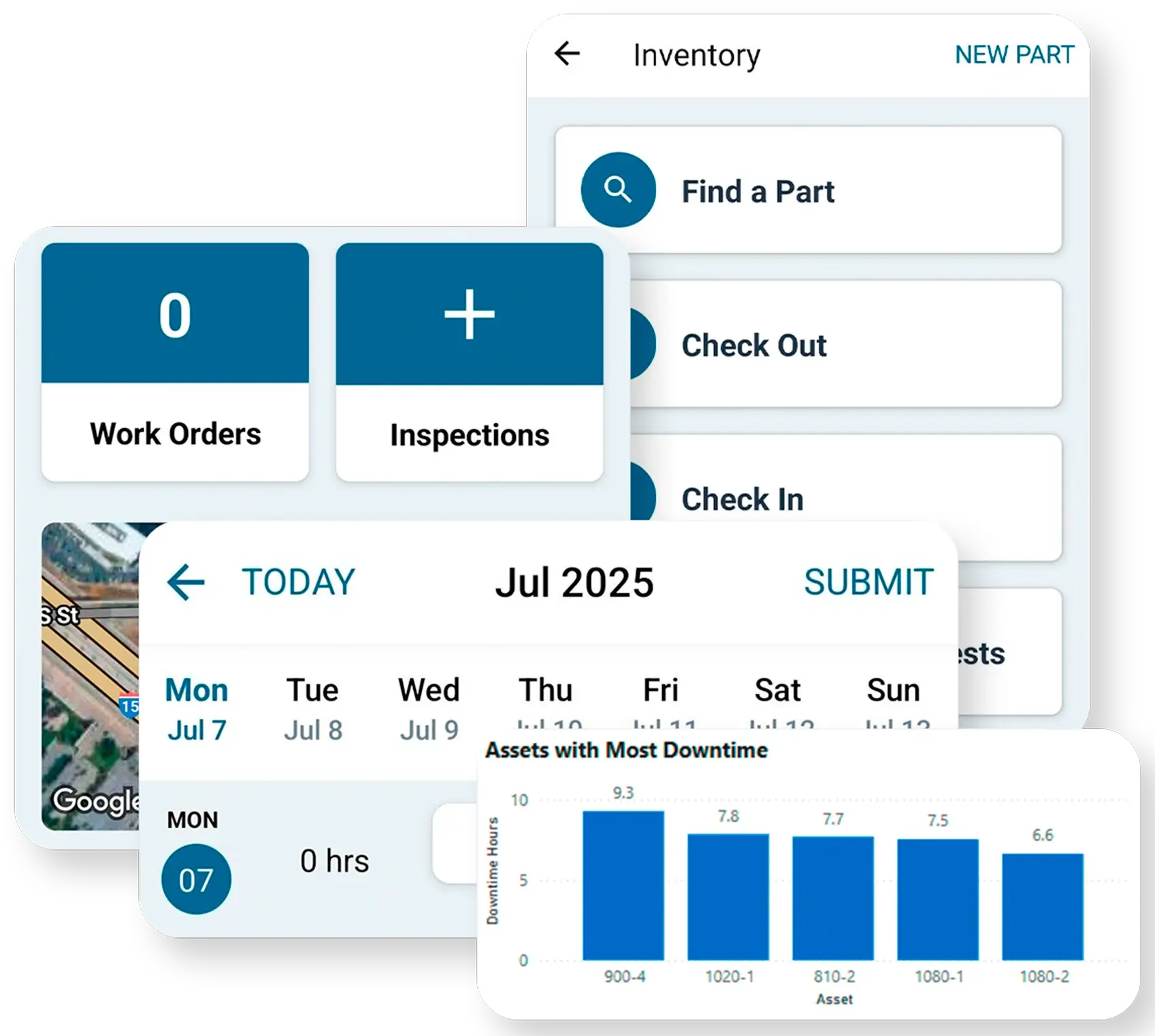
Embedding training inside maintenance routes and task screens allows technicians to access instructions, visuals, and micro-lessons exactly when they need them. This approach dramatically reduces execution errors compared to classroom-only training models.
Proof of Competency
Digital quizzes, forms, and assessments verify that training has been completed and understood. Proof-of-competency creates audit-ready records while enabling managers to confidently assign high-risk tasks.
Certification Tracking and Expiration Management
Automated tracking of certifications and expirations ensures technicians remain qualified over time. Alerts and reminders prevent lapses that can expose organizations to safety, compliance, and reliability risks.
Asset-Linked Qualifications
Linking certifications to assets ensures only qualified personnel can work on critical equipment. This gating mechanism is a key control for high-risk lubrication and maintenance activities.
Reduced Tribal Knowledge Dependence
Structured training mitigates the loss of institutional knowledge as experienced staff retire. Documented lessons and standardized instruction replace informal, person-dependent processes.
Faster Onboarding and Ramp-Up
New hires can access training immediately within the systems they already use, reducing time to productivity and improving confidence on the floor.
Training-to-Outcome Analytics
Correlating training completion with PM compliance and downtime trends allows organizations to measure the real impact of training on reliability performance.
Reliability and Lubrication Training Strategy Framework
An effective reliability training strategy follows a structured, repeatable approach. Use this framework to build or audit your program.
Step 1: Define Roles and Competency Requirements
Map each role to required lubrication and reliability competencies using ICML frameworks as a baseline.
Step 2: Align Training to Assets and Routes
Assign training by asset class, route, or task so learning directly supports execution.
Step 3: Deliver Training in Context
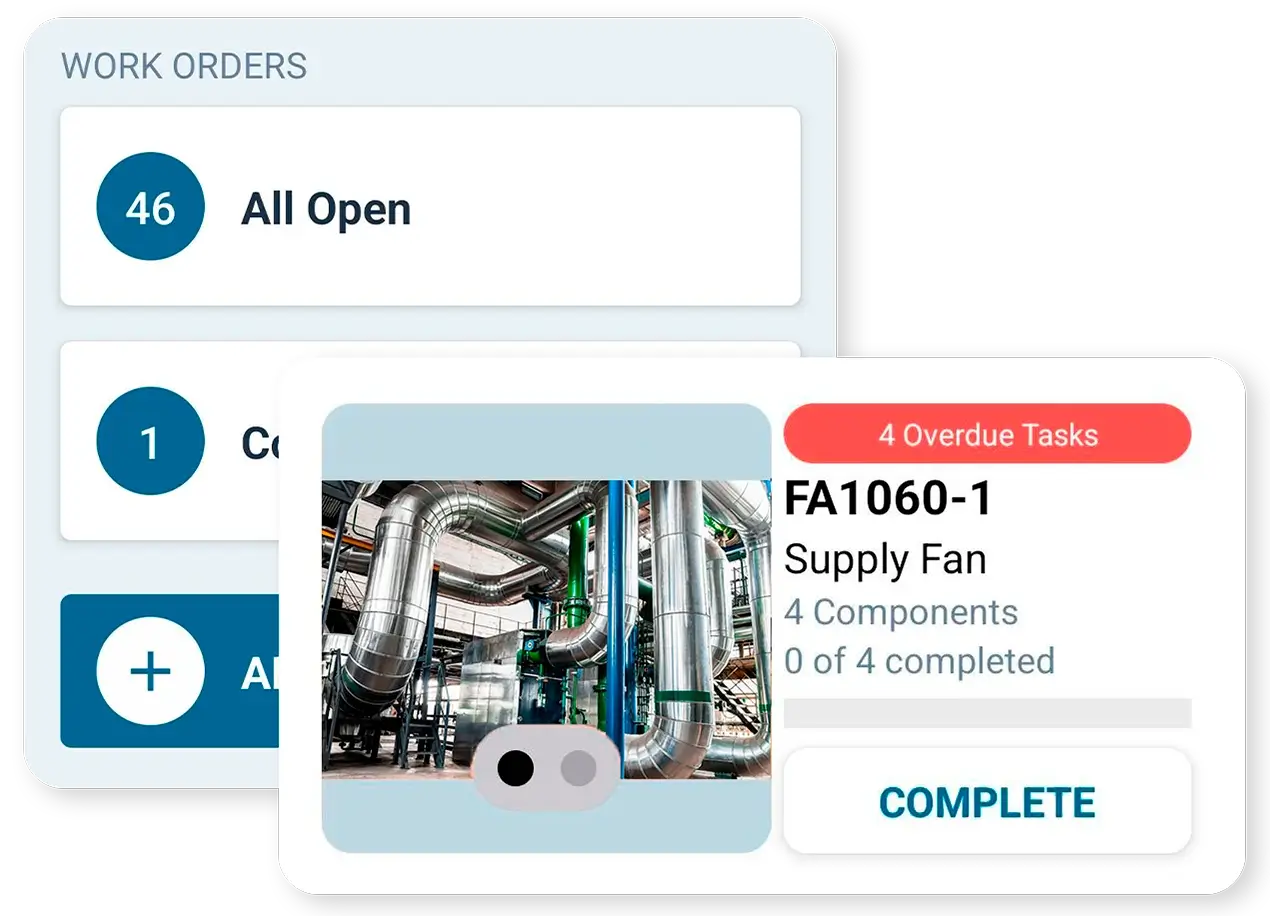
Enable access to lessons, visuals, and reference materials directly from mobile maintenance workflows.
Step 4: Verify and Gate
Use assessments and certification gating to ensure only qualified personnel perform critical tasks.
Step 5: Monitor, Report, and Optimize
Track completion, expirations, PM compliance, and downtime trends to continuously refine training programs.
Tools and Resources for Reliability Training
Embedded Training Platforms vs. Standalone LMS
Standalone LMS platforms require technicians to leave their daily tools. Embedded solutions like Redlist Learning close the loop by connecting training directly to work execution.
Templates and Calculators
Role-to-certification mapping templates, Onboarding timelines for new technicians. Certification expiration risk trackers.
Recommended Resources
ICML certification pathways (MLT, MLA, MLE). Uptime101 course catalogs. Reliability and lubrication best practice libraries.
Common Questions About Reliability and Lubrication Training
Does this work on mobile?
Yes. Training is accessible from route and task screens on iOS and Android, with PM execution supported offline.
What about connectivity limitations?
Training playback requires connectivity, but maintenance execution remains offline-capable. Technicians can complete work in the field and sync when back in range.
How do we prove ROI?
Most organizations measure PM compliance improvements and downtime reduction over 3 to 6 months. Redlist reporting correlates training completion directly with reliability outcomes.
How is this different from certification tracking alone?
Tracking shows who is certified. Embedded training ensures people learn, retain, and apply knowledge correctly.
Get Started with Reliability and Lubrication Training